The silly goose is a strange little folk hero. There's no founding video, no official mascot, no clean origin story you can point to. It just sort of waddled in from the edges of the internet and stayed. People started using the phrase, then everyone did, and now it sits comfortably in group chats and TikTok captions like it's always been there. For something so daft, it carries a lot of weight. The way it spread tells you something honest about what people actually want from being online.
A Wholesome Absurdity: Where the Silly Goose Came From
You can trace the meme back to Tumblr around 2015 or so. Posts telling readers to "be a silly little goose" floated around between pastel reblogs and soft affirmations. Nobody started it, exactly. It just fit the mood at the time — gentle, low-pressure, a bit daft. The phrase eventually drifted into other corners of the web too, from cozy social accounts to casual gaming hubs like afkspin casino, where people log on to switch their brain off for a while.
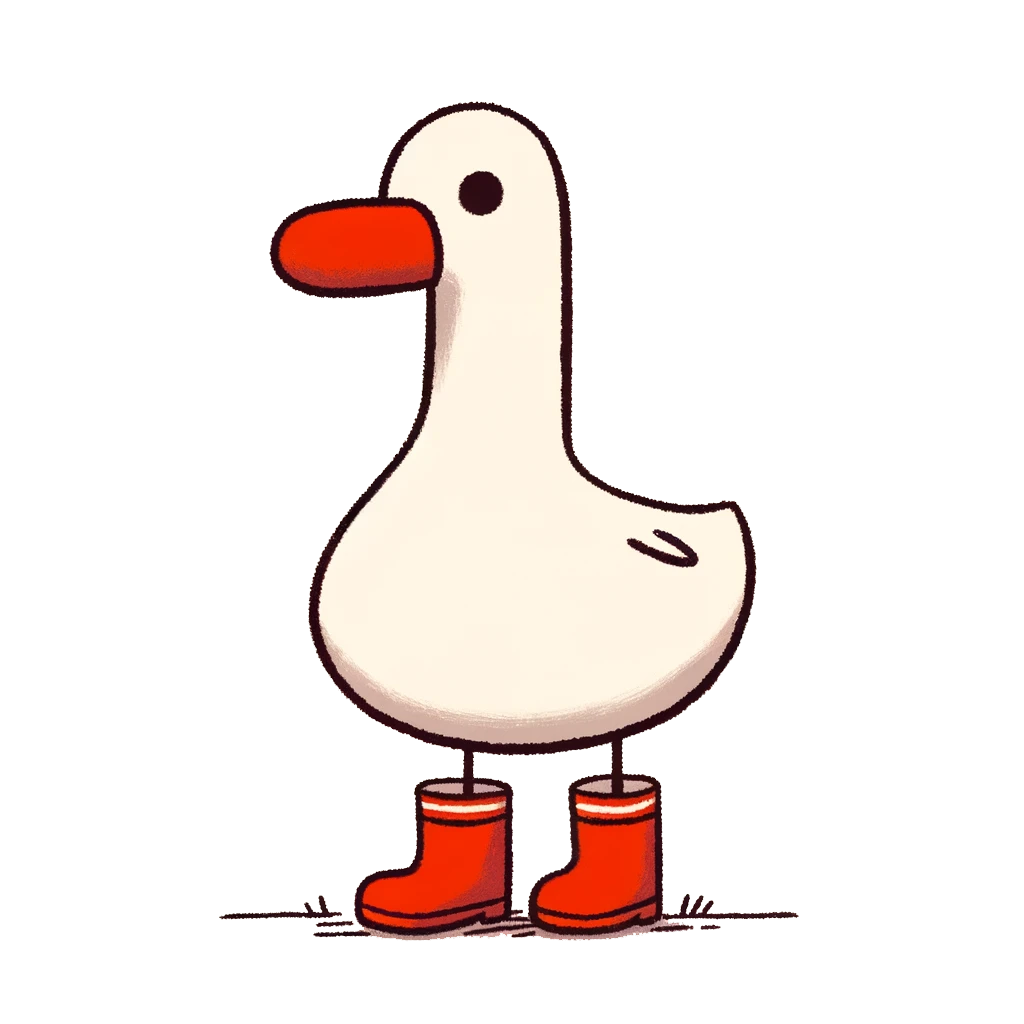
The reason it stuck has more to do with contrast than cleverness. Most of the internet is loud and pointed. The goose isn't. It honks, it flaps, it falls over, and it doesn't care. Then Untitled Goose Game came out in 2019 and gave the whole thing a face. Suddenly there was an actual bird stealing hats and ruining picnics on your screen. A small Tumblr joke had picked up a video game ambassador almost by accident.
"Memes that survive aren't always the funniest ones. They're the ones that give people permission to feel something they couldn't articulate before."
— observation from a digital culture researcher
Decoding the Phrase: What People Actually Mean by It
The phrase does a lot of quiet work. It can tease, comfort, or roast you mildly, all depending on who's saying it. Call your friend a silly goose after they lock themselves out for the third time and it lands as warmth, not mockery. Use it on yourself after a clumsy moment and it takes the edge off. That softness is the whole appeal.
There's a generational thing happening here too. Younger people latched onto the phrase partly because it doesn't sound like slang. Your gran could hear it and not flinch. But online, it still carries that wink-and-nod feeling of being in on something. Not many phrases pull off both at once.
| Context | What It Usually Means | Tone |
|---|---|---|
| Friend group banter | Gentle teasing about a minor mistake | Affectionate |
| Self-talk online | Acknowledging a goof without harshness | Forgiving |
| Replying to a partner | Playful exasperation | Warm |
| Brand or creator caption | Lighthearted relatability | Casual |
Geese in the Wild: How the Meme Found Its Way Into Everyday Language
The jump from niche to mainstream happened in pieces, mostly through TikTok. Clips of real geese chasing joggers and bullying dogs racked up millions of views. Plush goose toys started selling out. Etsy filled up with pins, stickers, and tote bags featuring grumpy little birds. Even small brands started slipping goose imagery into their packaging without explanation, because they didn't need to explain it.
A few things helped the meme travel so far:
- The image works in any language
- The humor isn't mean, so it's safe to share almost anywhere
- Geese are genuinely funny animals — bold, loud, slightly threatening
- The phrase fits captions, replies, and real conversation
- Merch gave people something to hold onto offline
- Untitled Goose Game introduced the whole archetype to gamers
- It sits well next to wholesome content without feeling twee
By 2022, the silly goose had quietly slipped into general vocabulary. People used the phrase without thinking about where they first heard it. That's usually how you know a meme has stopped being a meme and become something closer to folklore.